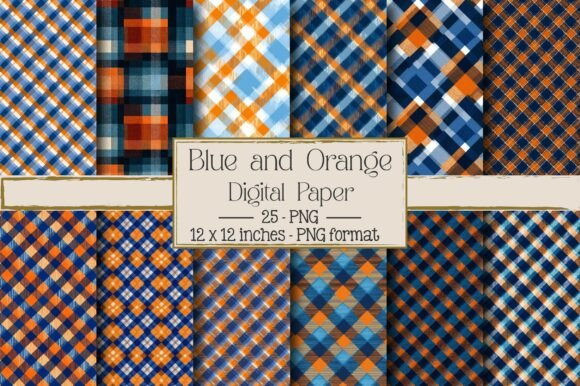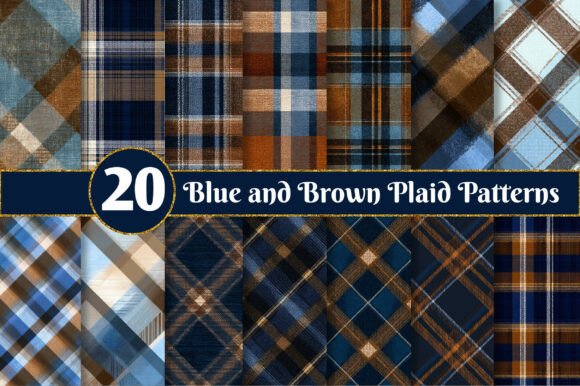
Blue and Brown Plaid Patterns
Designing with confidence often comes down to the foundational elements of your project: color, texture, and pattern. Among the most versatile and timeless combinations in design is the pairing of blue and brown plaid patterns. This specific aesthetic bridges the gap between rustic warmth and modern sophistication, making it an ideal choice for a wide array of creative endeavors. Whether you are a seasoned graphic designer looking to add depth to a digital layout or a craft enthusiast preparing materials for a handmade gift, understanding how to effectively utilize these patterns can elevate your work significantly.
The core value of using high-quality Blue and Brown Plaid Patterns lies in their adaptability. Unlike solid colors that can sometimes feel flat or busy patterns that may overwhelm a viewer, plaid offers a structured yet organic feel. It provides visual interest without demanding too much attention, allowing other elements in your design—such as typography or focal imagery—to shine. When you have access to professional-grade assets, such as individual PNG files, you gain the freedom to experiment with scale, placement, and layering in ways that low-resolution images simply cannot support.
Overcoming Common Design Challenges
One of the most frequent challenges creators face is finding resources that are both visually appealing and technically reliable. Many free or low-cost clip art collections suffer from pixelation when resized, inconsistent color palettes, or opaque backgrounds that limit creative flexibility. These issues can derail a project, forcing designers to spend hours editing or searching for alternatives. The goal is to streamline the workflow so that more time can be spent on creativity rather than technical troubleshooting.
This is where having a dedicated set of Blue and Brown Plaid Patterns becomes essential. By utilizing assets that come in PNG format with a transparent background, you eliminate the need for tedious background removal. A transparent background allows the pattern to blend seamlessly into any canvas, whether it is a dark website header, a white greeting card, or a colorful fabric print. Furthermore, ensuring that each element is provided in PNG format guarantees compatibility across various software platforms, from Adobe Photoshop and Illustrator to Canva and Cricut Design Space. This universality ensures that your tools do not become a bottleneck in your creative process.
Practical Applications for Digital and Print Projects
The utility of these patterns extends far beyond simple decoration. Because they are available in a standard size of 12×12 Inches at a High Resolution of 300 DPI, they are optimized for both screen display and physical printing. This dual-purpose capability opens up a vast landscape of practical applications.
- Sublimation Products: For those who create custom apparel or home goods, sublimation requires high-resolution, edge-to-edge designs. The detailed nature of plaid patterns works beautifully here, providing a textured look that translates well onto polyester fabrics. The transparency of the PNG files allows you to overlay the pattern on top of product mockups or base garment shapes without worrying about boxy borders.
- Stationery and Greeting Cards: Blue and brown evoke feelings of stability, nature, and calm. This makes them perfect for birthday cards, thank-you notes, or wedding invitations, particularly for themes involving autumn, outdoors, or classic elegance. You can use the patterns as full-page backgrounds or cut out smaller squares to use as accent borders.
- Digital Scrapbooking: Digital scrapbookers rely heavily on layered elements to create depth. With Blue and Brown Plaid Patterns, you can create virtual journaling cards, photo mats, and decorative frames. The ability to resize easily means you can adjust the scale of the plaid to fit perfectly around a photo without losing clarity.
- Merchandise and Branding: Small business owners often seek cohesive branding for their products. Using these patterns on tags, packaging inserts, or promotional stickers can create a unified brand identity. The earthy tones of brown combined with the cool reliability of blue appeal to a broad demographic, making them safe yet stylish choices for retail items like tote bags, mugs, and pillows.
Implementation Strategies for Different Users
How you approach these patterns will depend largely on your end goal. For digital designers working on web or social media content, the focus should be on contrast and hierarchy. Use the plaid as a subtle background texture behind text boxes, ensuring that the text remains readable. In this context, the easy to resize feature is crucial; you might want to zoom in on a small section of the plaid to create a unique, abstract-looking background that still retains the recognizable pattern structure.
For crafters and makers, the emphasis shifts to precision and material interaction. If you are cutting vinyl for T-shirts or decals for mugs, the clean edges of the PNG file are vital. Ensure that your software interprets the transparent background correctly before sending the file to your cutting machine. Additionally, consider the color theory at play. Blue and brown are analogous in terms of mood but distinct in temperature. Use this to your advantage by pairing the plaid with complementary solid colors, such as cream, mustard yellow, or deep navy, to create a balanced composition.
Print-on-demand sellers should pay close attention to the 300 DPI specification. When uploading designs to platforms that print on large formats, such as wall art or large banners, resolution is key. A 12x12 inch file at 300 DPI contains enough pixel data to remain sharp even when scaled up significantly, preventing the blurry, pixelated results that can ruin a customer’s experience. Always preview your design at actual size before finalizing orders to ensure the pattern repeats smoothly if used for larger surfaces.
Maximizing Value and Creativity
To get the most out of your Blue and Brown Plaid Patterns, treat them as modular components rather than static images. Experiment with rotating the angle of the plaid to create dynamic tension. Try overlapping two different variations of the pattern with varying opacities to generate a complex, bespoke texture. Because you receive 20 individual PNG files, you have a library of options that allow for endless variation without needing to purchase additional assets.
It is also important to remember that these are DIGITAL files only. There is no physical product shipped, which means instant access to your resources. This immediacy is beneficial for last-minute projects or spontaneous creative bursts. Once downloaded, you own the rights to use these assets in your personal and commercial projects, subject to the specific license provided by the creator. Always review the usage guidelines to ensure compliance, but typically, such high-quality clip art sets are designed to empower creators to produce sellable goods.
In conclusion, integrating Blue and Brown Plaid Patterns into your workflow solves several common pain points related to quality, versatility, and ease of use. By choosing assets that offer transparency, high resolution, and broad compatibility, you invest in a smoother, more efficient creative process. Whether you are crafting a heartfelt card, designing a trendy t-shirt, or building a brand’s visual identity, these patterns provide a reliable foundation for success. Explore the possibilities, mix and match the styles, and let these classic designs bring a touch of refined comfort to your next project.