Spring Plaid Patterns: Elevate Your Design Workflow
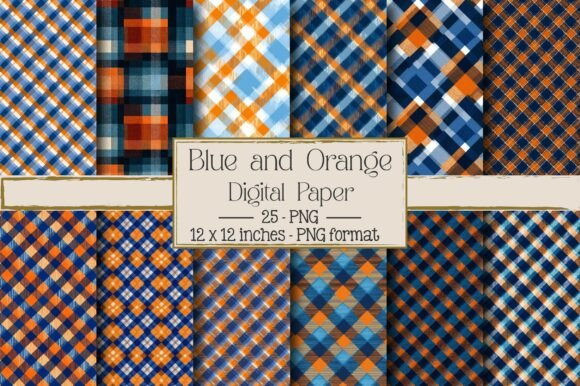
In the dynamic world of visual communication, few elements capture attention quite like Spring Plaid Patterns. This timeless aesthetic bridges the gap between rustic charm and modern sophistication, offering designers a versatile toolkit for creating engaging, high-impact visuals. Whether you are crafting digital assets for social media or designing physical packaging for a boutique brand, incorporating spring-themed plaid textures can instantly elevate your creative projects from ordinary to exceptional.
For graphic designers and creative professionals, the right texture is not just decorative; it is functional. It establishes mood, guides the eye, and reinforces brand identity. Spring plaid, with its soft pastel hues and structured grid lines, provides a perfect balance of order and organic warmth. It is an ideal choice for brands looking to convey approachability, freshness, and creativity without sacrificing professional polish.
The Strategic Value of Texture in Modern Branding
In an era dominated by clean, minimalist UI design, introducing textured elements like plaid can serve as a powerful differentiator. It adds depth and tactile quality to flat digital interfaces, making websites and apps feel more inviting and human-centric. When used strategically in branding, these patterns help create a memorable visual language that resonates with audiences seeking authenticity and seasonal relevance.
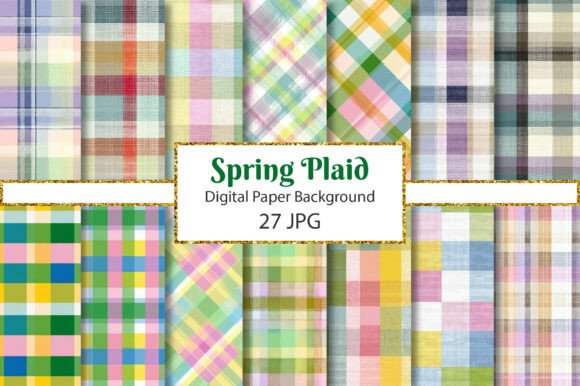
Consider the role of color palette in this context. Spring plaid typically utilizes soft pinks, mint greens, sky blues, and sunny yellows. These colors evoke feelings of renewal and optimism, making them highly effective for industries such as fashion, lifestyle, education, and wellness. By integrating these hues into your design workflow, you align your visual output with positive emotional triggers, thereby enhancing user engagement and conversion rates.
Practical Applications Across Creative Projects
The versatility of spring plaid patterns extends across numerous design disciplines. Here is how you can leverage these assets to improve various aspects of your creative output:
- Social Media Graphics: Use plaid backgrounds for Instagram posts or Pinterest pins to stand out in crowded feeds. The pattern provides a subtle backdrop that allows text overlays and product images to pop, ensuring readability while maintaining aesthetic appeal.
- Web and UI Design: Incorporate these patterns in hero sections, sidebars, or footer areas to add visual interest without overwhelming the user experience. They work particularly well for blogs, e-commerce sites selling handmade goods, or lifestyle brands.
- Editorial and Print Design: For magazines, newsletters, or brochures, spring plaid adds a touch of elegance and structure. It pairs beautifully with serif typography, creating a sophisticated editorial layout that feels both classic and contemporary.
- Packaging Design: In the retail space, distinctive textures on packaging can drive impulse buys. A spring plaid motif on gift boxes, product labels, or shopping bags signals quality and care, reinforcing a premium brand presentation.
- Digital Products and Merchandise: From planner stickers and scrapbooking papers to t-shirt designs and invitations, these patterns offer endless possibilities for monetizable creative projects. They are especially popular for weddings, birthdays, and baby showers where a cheerful, celebratory tone is desired.
Evaluating Quality and Usability
When selecting digital assets for your projects, it is crucial to evaluate their technical specifications to ensure seamless integration into your design workflow. High-resolution files are non-negotiable for print-ready materials, while scalable formats are essential for responsive web design. Look for resources that offer multiple sizes and resolutions to accommodate diverse project requirements.
Consistency is key when building a cohesive brand identity. Ensure that the chosen plaid patterns complement your existing typography and color schemes. The visual hierarchy should remain clear, with the pattern supporting rather than competing with primary content. Test your designs at various scales to verify that the pattern maintains its integrity and does not introduce unwanted moiré effects or blurriness.
Technical Specifications for Seamless Integration
To maximize the utility of your design assets, opt for comprehensive packs that provide flexibility. A robust collection might include:
- Multiple Variations: A set of 27 unique digital papers offers ample variety, allowing you to mix and match patterns for layered designs or distinct campaign themes.
- High Resolution: Files at 300 dpi ensure crisp, sharp prints for physical products like invitations, cards, and packaging.
- Standard Dimensions: Sizes like 12″ x 12″ are industry standards for scrapbooking and many digital design templates, making them easy to resize and adapt using common software.
- Universal Formats: JPG format ensures broad compatibility across all major design platforms, from Adobe Creative Cloud to Canva and Figma.
Immediate access to these assets streamlines your production process, reducing turnaround times for clients and personal projects alike. By investing in high-quality, versatile design inspiration, you empower yourself to experiment freely and deliver polished results consistently.
Ultimately, thoughtful design choices are what separate amateur efforts from professional presentations. Incorporating well-crafted elements like spring plaid patterns enhances both the aesthetics and communication value of your work. It demonstrates an attention to detail that audiences appreciate, fostering trust and loyalty. As you continue to explore new visual styles and creative assets, remember that the goal is not just to decorate, but to connect. Let these patterns be the foundation of designs that inspire, engage, and leave a lasting impression.