Blue and Orange Plaid Patterns: A Comprehensive Guide to Design, Application, and Digital Utility
In the realm of graphic design and textile arts, few visual combinations command attention quite like the juxtaposition of blue and orange. As complementary colors on the color wheel, they create a natural vibrancy that is both energetic and balanced. When these hues are arranged in plaid patterns, they offer a unique aesthetic that bridges traditional craftsmanship with modern digital flexibility. This guide explores the multifaceted world of Blue and Orange Plaid Patterns, examining their visual impact, technical specifications for digital creators, and diverse applications across various industries.
The Visual Psychology of Blue and Orange Combinations
Understanding why certain color palettes resonate with audiences is fundamental to effective design. Blue is often associated with trust, stability, calmness, and professionalism. It is a cool tone that recedes visually, providing a soothing backdrop. Orange, conversely, is an energetic warm tone associated with creativity, enthusiasm, warmth, and affordability. It advances visually, drawing the eye immediately.
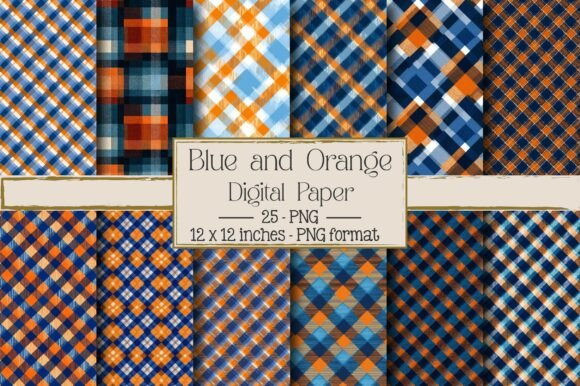
When combined in a plaid structure, these two colors do not merely sit side by side; they interact dynamically. The plaid pattern itself introduces complexity through intersecting horizontal and vertical bands. This geometric regularity provides a sense of order, while the high-contrast color pairing injects vitality. For designers working on projects ranging from fashion textiles to digital marketing materials, this combination offers a "pop" factor that stands out without being chaotic. The distressed effect often applied to these digital assets further enhances this dynamic by adding texture and depth, mimicking the wear and tear of physical fabrics.
Technical Specifications for Digital Assets
For professionals utilizing digital assets, understanding the technical parameters of the files is crucial for ensuring high-quality output. The specific collection referenced here includes 25 distinct designs, each meticulously crafted to meet professional standards. These are provided as PNG (Portable Network Graphics) files, a format chosen for its ability to support transparency.
Resolution and Dimensions
Each design is rendered at a resolution of 300 dpi (dots per inch). In the printing industry, 300 dpi is considered the gold standard for high-quality reproduction. At lower resolutions, such as 72 dpi typically used for web screens, images can appear pixelated or blurry when scaled up. By providing 300 dpi files, creators ensure that the intricate details of the plaid weave and the distressed effects remain sharp and clear, regardless of the final print size.
The dimensions of these files are set at 12×12 inches. This square format is highly versatile. It allows for easy cropping into rectangles or circles for specific product needs, such as sticker shapes or card fronts. Furthermore, because the background is transparent, these assets can be overlaid onto any base color or image without leaving unsightly white boxes around the edges. This transparency is a critical feature for layering in software like Adobe Photoshop, Illustrator, or Procreate.
Scalability and Software Compatibility
One of the primary advantages of using raster-based PNG files with high resolution is their ease of use across different software environments. While vector formats (like SVG or AI) are infinitely scalable, they require specialized editing skills. High-resolution PNGs, however, can be resized within most common graphic design programs with minimal loss of quality, provided the user does not exceed the original pixel boundaries significantly. For most small to medium-scale production runs—such as printing on t-shirts, mugs, or greeting cards—the 12×12 inch source file provides ample data to maintain clarity.
Diverse Applications Across Industries
The versatility of Blue and Orange Plaid Patterns extends far beyond simple decoration. Their adaptability makes them suitable for a wide array of products and media. Below, we explore several key sectors where these patterns add significant value.
Apparel and Fashion Accessories
Fashion has long embraced plaid, but the blue and orange variation offers a contemporary twist on classic tartans. Designers can utilize these patterns for:
- T-Shirts and Hoodies: The distressed effect adds a vintage, streetwear appeal that resonates with younger demographics.
- Scarves and Hats: Smaller scale applications benefit from the detailed texture of the plaid, creating a sophisticated look.
- Footwear: Subtle plaid accents on sneakers or boots can serve as a unique branding element.
Because the digital files allow for easy resizing, apparel manufacturers can tile the pattern seamlessly across large fabric prints, ensuring consistency throughout the garment.
Stationery and Paper Goods
The stationery market relies heavily on visual appeal to drive sales. Blue and Orange Plaid Patterns are particularly effective in this sector due to their ability to convey both professionalism and approachability.
- Greeting Cards: The contrast works well for birthday cards, holiday cards, or thank-you notes, offering a cheerful yet structured aesthetic.
- Invitations: For events like weddings, baby showers, or corporate retreats, these patterns can serve as elegant borders or full-page backgrounds.
- Notebooks and Planners: Cover designs featuring these patterns can attract students and professionals looking for organized, stylish tools.
Home Decor and Wall Art
In interior design, plaid patterns are often used to add warmth and texture to a space. The blue and orange combination can anchor a room’s color scheme, especially when paired with neutral tones like beige, gray, or white.
- Throw Pillows and Blankets: Digital prints can be transferred to fabric substrates to create cozy, visually interesting home accents.
- Wall Decals and Framed Art: The high resolution ensures that large-format prints retain their detail, making them suitable for statement pieces in living rooms or offices.
- Table Linens: Napkins and table runners featuring these patterns can bring a festive touch to dining areas.
Branding and Marketing Materials
Businesses often struggle to find brand colors that stand out without being overwhelming. The blue and orange palette offers a solution. Companies in creative industries, tech startups, or educational institutions might use these patterns in:
- Packaging: Product boxes wrapped in plaid patterns can differentiate a brand on crowded shelves.
- Social Media Graphics: Transparent PNGs can be easily placed over photos or text for Instagram posts and Facebook banners.
- Stickers and Labels: Small-scale stickers for laptops, water bottles, or product labeling benefit from the durability and clarity of high-dpi prints.
Considerations for Creators and Buyers
While digital assets offer immense convenience, there are important considerations for those integrating Blue and Orange Plaid Patterns into their workflows.
Digital vs. Physical Reality
It is imperative to note that these are digital instant downloads. No physical item will be sent to the buyer. This model allows for immediate access and unlimited reproductions, which is cost-effective for businesses. However, it places the responsibility of production on the user. Whether you are printing at home or outsourcing to a commercial printer, you must have the necessary hardware and software to handle 300 dpi files.
Color Variance
Colors may vary depending on devices and printers. Screens emit light, while printed materials reflect it. An RGB monitor display of blue and orange may appear more vibrant than the CMYK ink equivalent on paper or fabric. To mitigate this, professionals should always request physical proofs before committing to large print runs. Understanding the limitations of your specific printer’s color gamut is essential for maintaining brand consistency.
Usage Rights and Licensing
Before incorporating these designs into commercial products, users should review the specific licensing terms associated with the asset pack. Generally, digital pattern packs allow for end-product sales (e.g., selling t-shirts printed with the pattern), but they rarely grant rights to resell the digital file itself. Always ensure compliance with intellectual property laws to protect your business.
Workflow Integration for Hobbyists and Professionals
Integrating these patterns into a design workflow is straightforward but requires attention to detail. Here is a typical process for utilizing the 25 PNG designs:
- Selection: Choose the appropriate plaid variant from the 25 available options based on the desired mood (e.g., more blue for calm, more orange for energy).
- Importation: Open your preferred design software (Photoshop, Canva, CorelDRAW, etc.) and import the PNG file. The transparent background will allow you to position the pattern precisely.
- Scaling: Resize the image to fit your canvas. Remember that scaling up beyond the original 12x12 inches may result in pixelation. If larger sizes are needed, consider using vector tracing tools to convert the raster image to a vector format.
- Application: Apply the pattern to your design elements. For textiles, ensure the pattern is tiled correctly to avoid visible seams.
- Exporting: Save your final design in the format required by your printing service, usually PDF or TIFF for print, and JPG for web.
Conclusion
The intersection of traditional plaid aesthetics with modern digital technology creates powerful opportunities for creators. Blue and Orange Plaid Patterns provide a robust foundation for designs that are visually striking, emotionally engaging, and technically versatile. Whether you are a hobbyist creating scrapbook layouts, a business owner designing product packaging, or an educator developing teaching materials, these assets offer a reliable and high-quality solution. By understanding the technical specifications and practical applications outlined in this guide, users can maximize the potential of these digital resources, transforming simple pixels into tangible, impactful products.