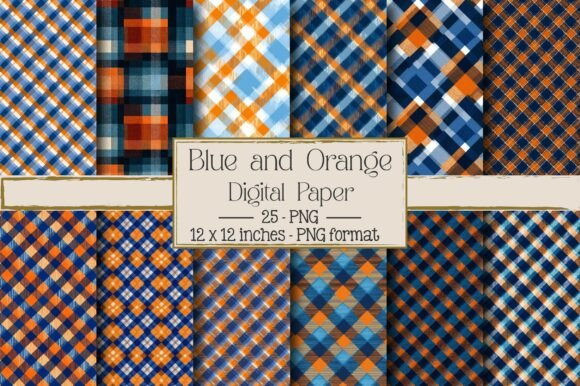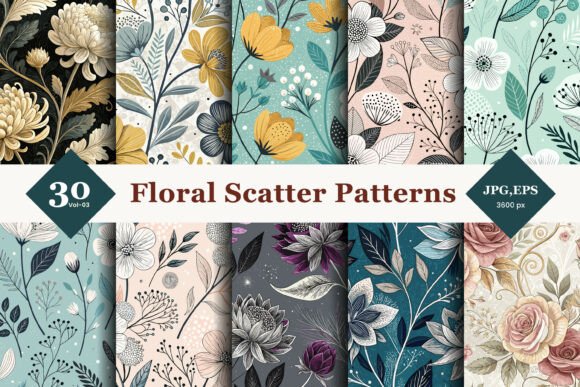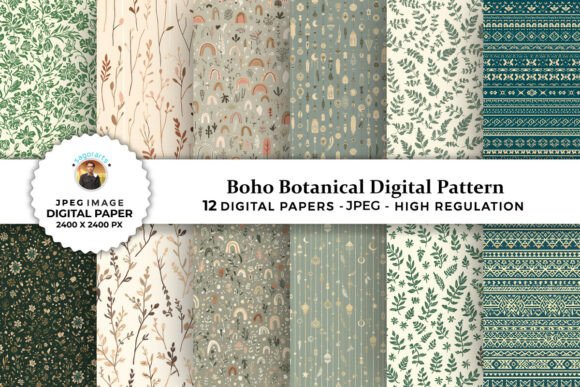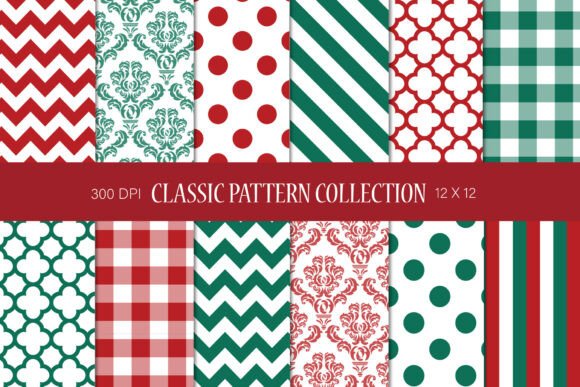
Plaid and Striped Boho Patterns: A Comprehensive Guide to Versatile Digital Design Assets
In the evolving landscape of digital design and physical product creation, the demand for unique, high-quality visual assets has never been higher. Among the myriad of styles available, Plaid and Striped Boho Patterns have emerged as a distinctive fusion of traditional textile aesthetics and modern bohemian flair. These patterns are not merely decorative; they represent a versatile toolkit for creators who seek to blend structure with organic warmth. Whether you are a graphic designer looking to expand your portfolio, a small business owner preparing inventory for an online store, or a hobbyist eager to start a scrapbooking project, understanding the nuances of these patterns is essential for achieving professional results.
This guide explores the characteristics, technical specifications, and practical applications of these digital assets. By examining the specific file formats included—such as AI-10, EPS-10, JPG, SVG, and PNG—we can better appreciate how these files facilitate seamless integration into various creative workflows. The following sections delve into the artistic value, technical advantages, and real-world use cases that make this collection a valuable resource for anyone involved in print-on-demand services or personal crafting.
The Aesthetic Appeal of Plaid and Striped Boho Designs
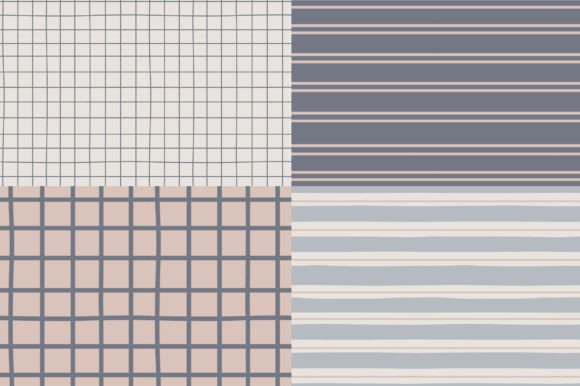
To understand the utility of these patterns, one must first appreciate their visual language. Traditional plaid is often associated with rugged outdoorswear or formal tartans, while stripes can range from minimalist nautical themes to bold graphic statements. However, when interpreted through a "Boho" lens, these elements undergo a transformation. The rigid geometry of plaid and stripes is softened by earthy color palettes, irregular line weights, and subtle textural variations that mimic hand-drawn or artisanal origins.
Plaid and Striped Boho Patterns offer a balanced composition that appeals to a broad audience. They provide enough structure to feel organized and cohesive, yet retain enough organic imperfection to feel approachable and warm. This duality makes them particularly effective for products intended for home decor, where the goal is often to create a sense of comfort and style simultaneously. For instance, a wall art piece featuring these patterns can anchor a room’s design without overwhelming it, serving as a sophisticated backdrop for other decor elements.
The versatility of this aesthetic extends across seasons. While certain colors may lean towards autumnal tones, the underlying pattern structures are timeless. This timelessness is a critical factor for businesses investing in digital assets, as it ensures that the designs remain relevant and marketable over extended periods, rather than becoming quickly outdated trends.
Technical Specifications and File Format Advantages
One of the most significant advantages of acquiring digital pattern assets in multiple formats is the flexibility they offer across different stages of production. The inclusion of AI-10, EPS-10, SVG, JPEG, and PNG files ensures compatibility with a wide array of software and printing technologies. Understanding the specific role of each format is crucial for optimizing workflow efficiency.
Vector Formats: AI-10 and EPS-10
For professionals working in Adobe Illustrator or similar vector-based environments, the AI-10 and EPS-10 files are indispensable. These formats preserve the mathematical precision of lines and shapes, allowing for infinite scalability without loss of quality. In the context of Plaid and Striped Boho Patterns, this means that a design created for a small sticker can be enlarged to cover an entire wall mural without any pixelation or blurring.
Furthermore, these vector files are typically structured with one element on one artboard, as specified in the asset description. This organization simplifies the editing process, enabling designers to isolate specific components of the pattern, adjust colors, or modify line weights independently. This modularity is particularly useful for customization, allowing businesses to tailor standard patterns to match specific brand guidelines or seasonal color trends.
Raster Formats: JPEG and PNG at 300 DPI
While vectors are ideal for large-scale printing and editable designs, raster formats like JPEG and PNG are often preferred for quick previews and direct upload to print-on-demand platforms. The provided images are rendered at 300 DPI (dots per inch), which is the industry standard for high-quality physical printing. This resolution ensures that details such as the subtle textures within the boho-inspired lines are crisp and clear when printed on materials like cotton t-shirts or glossy photo paper.
The PNG format is particularly valuable when transparency is required. If a designer wishes to overlay the pattern onto a textured background or combine it with other graphic elements, the transparent background of the PNG file allows for seamless blending. Conversely, JPEG files are universally compatible and optimized for smaller file sizes, making them efficient for web display and email attachments.
Scalability with SVG
The SVG (Scalable Vector Graphics) format bridges the gap between vector editability and web readiness. SVG files are lightweight and can be scaled to any size without degradation, making them perfect for responsive web design and digital signage. For creators producing digital planners, stickers for tablets, or website backgrounds, SVG offers the best balance of quality and performance. It also supports animation capabilities, opening up additional creative possibilities for dynamic content.
Practical Applications Across Industries
The breadth of applications for Plaid and Striped Boho Patterns is extensive, catering to diverse sectors from fashion to interior design. Below are several key areas where these digital assets can be leveraged effectively.
- Apparel and Fashion: T-shirts, hoodies, and dresses benefit from the relaxed yet structured vibe of boho plaid. The patterns work well on both casual wear and more refined pieces, offering a trendy look that resonates with consumers seeking individuality.
- Home Decor and Wall Art: Framed prints, canvas wraps, and throw pillows are natural candidates for these patterns. The repetitive nature of plaid and stripes creates a visually pleasing rhythm that enhances the aesthetic appeal of living spaces.
- Stationery and Paper Goods: Greeting cards, invitation suites, and scrapbook pages gain a touch of elegance and warmth from these designs. The intricate details of the boho style add depth to paper crafts, making them stand out in a crowded market.
- Stickers and Decals: With the rise of digital planning and laptop customization, high-quality sticker designs are in high demand. The vector nature of the source files allows for precise cutting lines, ensuring clean edges for die-cut stickers.
- Textile and Fabric Design: For those involved in sewing or fabric printing, these patterns serve as excellent templates. The seamless nature of the patterns (when tiled correctly) allows for continuous repeats on bolts of fabric, suitable for quilting, curtains, or upholstery.
Workflow Considerations for Creators and Businesses
Integrating these digital assets into a production workflow requires attention to detail, particularly regarding color management and file organization. Since the files are provided in an RGB color space, it is important to note that RGB is optimized for screens, while physical printing often utilizes CMYK color profiles. Professional printers may automatically convert RGB files to CMYK, but this can sometimes result in slight color shifts. To ensure accuracy, designers should proof their prints carefully or request a hard copy proof before committing to large production runs.
Additionally, the zip file containing all assets promotes efficient file management. Keeping the original vector files separate from the raster exports allows for a streamlined version control system. When updates are needed—such as adjusting the scale of a stripe or changing the hue of a plaid section—designers can return to the AI-10 or EPS-10 files, make the changes, and regenerate the necessary raster outputs. This non-destructive workflow saves time and reduces the risk of errors.
Why Choose Plaid and Striped Boho Patterns?
The decision to utilize Plaid and Striped Boho Patterns comes down to a combination of aesthetic versatility and technical robustness. These patterns offer a unique visual identity that stands out in markets saturated with generic designs. The boho influence adds a layer of emotional resonance, connecting with consumers who value authenticity and craftsmanship.
Moreover, the comprehensive file package eliminates the need for multiple purchases or complex conversions. Having access to 4 distinct patterns in multiple formats provides ample variety for different projects and seasons. Whether creating a summer collection of light, airy shirts or a cozy winter line of scarves and blankets, the adaptability of these designs ensures long-term utility.
For educators and researchers, these assets can serve as case studies in pattern design, color theory, and digital asset management. The structured nature of the files, with elements isolated on artboards, provides an excellent learning tool for students studying vector illustration techniques.
Conclusion
In summary, Plaid and Striped Boho Patterns represent a powerful resource for anyone engaged in visual communication and physical product creation. Their ability to bridge the gap between traditional geometric patterns and modern bohemian aesthetics makes them highly appealing to a wide demographic. With a robust suite of file formats including AI-10, EPS-10, SVG, JPEG, and PNG, these assets support a flexible and efficient workflow from concept to final product.
By leveraging these high-quality digital downloads, creators can enhance their offerings, streamline their production processes, and connect with audiences through compelling, well-crafted design. As the demand for personalized and aesthetically pleasing products continues to grow, having access to versatile, professional-grade pattern libraries will remain a key advantage for successful designers and businesses alike.