Christmas Truck Patterns: Integrating High-Resolution Digital Assets into Creative Workflows
In the modern digital creative landscape, the distinction between a hobbyist project and a professional-grade output often comes down to asset quality and workflow efficiency. For creators, small business owners, and marketers, sourcing high-resolution, versatile digital patterns is not merely an aesthetic choice but a strategic decision that impacts production speed, print fidelity, and brand consistency. Among the specific assets gaining traction in the seasonal design sector is the Christmas Truck Pattern, a high-resolution design tailored for diverse applications ranging from sublimation to custom print media.
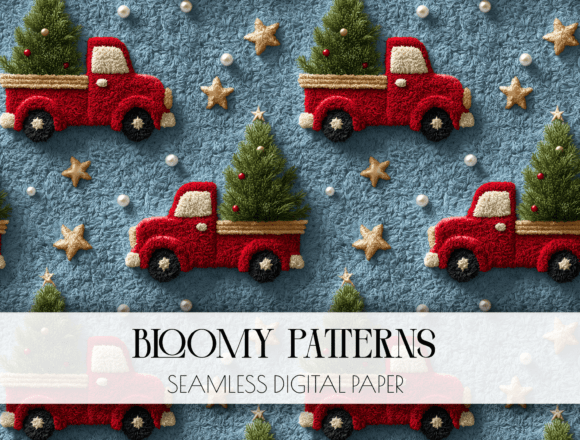
This article explores how to effectively integrate this specific digital asset—described as a Latch Hook Yarn Faux Christmas digital paper—into broader creative workflows. By understanding its technical specifications, compatibility, and practical use cases, professionals can streamline their preparation phases and ensure consistent quality control across various deliverables.
Understanding the Asset Specifications
Before integrating any digital pattern into a production pipeline, it is crucial to evaluate the technical metadata of the file. The Christmas Truck Patterns asset in question is defined by several key specifications that dictate its usability:
- Format: Provided in both PNG and JPG formats. This dual-format support allows for flexibility depending on the software environment. PNG offers transparency support if needed (though less common for seamless background patterns), while JPG ensures smaller file sizes for web-based previews or lighter editing tasks.
- Dimensions: 12 x 12 inches (30.5 x 30.5 cm). This square format is a standard industry size for scrapbooking papers and digital backgrounds, making it highly compatible with most layout software.
- Resolution: 300 DPI (Dots Per Inch). This is the critical threshold for high-quality printing. At this resolution, the image retains sharpness and detail when printed at its native size, ensuring that textures like the "Latch Hook Yarn" effect remain crisp rather than pixelated.
- Seamless Tiling: The design is engineered to stack vertically and horizontally without visible edges. This feature is essential for creating continuous backgrounds for large-format prints, wrapping paper designs, or full-page book layouts.
These specifications indicate that the asset is not just a decorative clipart element but a foundational texture designed for scalability. Understanding these parameters helps creators avoid common pitfalls, such as upscaling low-resolution images which results in blurry outputs, or mismatching aspect ratios that lead to awkward cropping during the design phase.
Pre-Production Planning and Workflow Integration
The value of a digital asset like the Christmas Truck Patterns design becomes apparent during the pre-production planning stage. For entrepreneurs and educators creating holiday-themed materials, having ready-to-use, high-fidelity backgrounds reduces the time spent on graphic design from scratch. This allows more focus to be placed on content strategy, messaging, and audience engagement.
Compatibility with Design Software
When preparing to use this pattern, consider the software ecosystem you are working within. Whether using Adobe Photoshop, Illustrator, Canva, or Affinity Designer, the 300 DPI resolution ensures that the asset will render correctly in vector-based or raster-based environments. However, users should note the following integration tips:
- Color Profile Management: Ensure your document settings match the color profile of the source file (typically sRGB for screen work and CMYK for professional printing). Mismatches here can cause the festive colors of the truck and yarn texture to appear dull or shifted in final prints.
- Layer Organization: If using the PNG version, utilize layer masks to blend the pattern with other elements. For the JPG version, treat it as a base layer and overlay text or graphics on top.
- Scaling Strategies: Because the design is seamless, you can duplicate the layer to create larger canvases. Always scale proportionally to maintain the 300 DPI integrity. Avoid non-proportional scaling, which can distort the "Latch Hook" texture and break the visual realism.
Practical Use Cases Across Industries
The versatility of this high-resolution design allows it to fit into multiple professional and personal workflows. Below are specific scenarios where integrating this asset enhances the final output.
Invitations and Greeting Cards
For small business owners selling handmade goods or freelancers offering design services, the Christmas Truck Patterns asset serves as an excellent foundation for holiday invitations. The rustic charm of the latch hook yarn texture combined with the classic imagery of a Christmas truck evokes nostalgia, a powerful emotional trigger in marketing.
To execute this efficiently:
- Create a master template in your preferred design tool.
- Set the canvas size to standard card dimensions (e.g., 5x7 inches).
- Place the 12x12 inch pattern as the background, allowing it to bleed off the edges to prevent white borders during trimming.
- Add typography using fonts that complement the rustic theme, ensuring high contrast for readability.
Scrapbooking and Digital Journaling
Educators and hobbyists often create digital scrapbooks to document classroom events or personal milestones. The seamless nature of the pattern allows for the creation of endless journal pages. Users can stack the pattern vertically to create long-scrolling digital journals or horizontally for wide panoramic layouts. The 300 DPI resolution ensures that when these digital pages are printed as physical keepsakes, the texture remains detailed and tactile-looking.
Sublimation and Custom Prints
For entrepreneurs in the print-on-demand space, sublimation requires files that can withstand heat transfer processes without losing clarity. The high-resolution nature of this asset makes it suitable for mugs, t-shirts, and tote bags. When preparing files for sublimation:
- Verify the printer’s required resolution. While 300 DPI is standard, some large-format printers may require different scaling factors.
- Test print a small section first to check color accuracy against the dye-sublimation ink palette.
- Use the seamless property to wrap the design around curved surfaces, such as cylindrical mugs, by mapping the pattern appropriately in 3D mockup software.
Quality Control and Long-Term Asset Management
Integrating digital assets into a workflow is only half the process; maintaining them for future projects is equally important. As seasonal trends shift, having a well-organized library of high-quality patterns ensures that you are prepared for next year’s campaigns without needing to source new materials.
File Organization
Adopt a consistent naming convention for your digital assets. Instead of saving the file as "christmas_truck.png," rename it to include key attributes: "Pattern_ChristmasTruck_LatchHook_Yarn_300DPI.png." This practice aids in quick retrieval during busy periods, such as the peak holiday season.
Consistency Checks
Before finalizing any project that utilizes the Christmas Truck Patterns design, perform a quality control check:
- Zoom Test: Zoom in to 100% or 200% to inspect the seams. In a truly seamless pattern, there should be no discernible lines where the tiles meet.
- Print Preview: Always view the design in print preview mode to catch any unexpected margins or scaling issues that do not appear on screen.
- Client Approval: If working with clients, provide low-resolution proofs for approval before generating the final 300 DPI files. This step prevents costly reprints and ensures alignment with the client’s vision.
Strategic Considerations for Creators
From a business perspective, leveraging pre-made, high-quality patterns like the Christmas Truck Patterns design allows for economies of scale. By reducing the time spent on background creation, creators can increase their output volume. This is particularly relevant for bloggers and publishers who need to produce frequent holiday-related content, such as gift guides, activity sheets, or promotional banners.
Furthermore, the nostalgic aesthetic of the latch hook yarn texture appeals to a broad demographic, including adults aged 20–50 who value craftsmanship and tradition. This emotional resonance can enhance engagement rates on social media posts or increase conversion rates on e-commerce product pages featuring these designs.
Conclusion
The effective use of digital assets extends beyond mere aesthetics; it is about enhancing workflow efficiency, ensuring print quality, and delivering consistent brand experiences. The Christmas Truck Patterns design, with its 300 DPI resolution, seamless tiling capabilities, and versatile format options, stands out as a robust tool for creative professionals. By understanding its technical specifications and integrating it thoughtfully into pre-production planning, designers, entrepreneurs, and educators can elevate their holiday projects from simple crafts to polished, market-ready products. Proper organization, attention to detail during implementation, and rigorous quality control will maximize the return on investment for this digital asset, ensuring it serves as a valuable component of your creative toolkit for years to come.